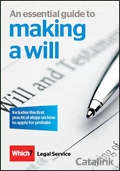
Which? is the UK's leading independent consumer organisation, and this guide was produced to help people in England and Wales understand what is involved in writing a will and dealing with a loved one's estate. Making a will ensures your wishes are respected, and this practical guide covers both the process of drafting a will and the steps involved in applying for probate. Whether you are thinking about writing your own will or have been appointed as an executor, the information here offers a clear and reassuring starting point.
For most people, what happens to their property and family after they die is a matter of real importance. Without a valid will, the rules of intestacy determine how an estate is distributed, which may not reflect your wishes at all. A will -- even a simple one -- gives you control over who inherits your assets, who looks after any children, and who you trust to carry out your instructions. This guide explains why a will is worth making sooner rather than later, and what to consider before you begin.
The guide walks through the practical steps of will-writing and estate administration in plain language. Topics include why you might make, amend, or rewrite a will; what to think about before a will is drafted; what to include; and how to store a will safely. It also covers the roles of executors, administrators, and other legal representatives, along with an outline of the probate process and the initial steps involved in applying for a grant of probate in England and Wales. Note that Scotland and Northern Ireland operate under different legal rules.
Probate is the legal process by which a deceased person's estate is administered. If you are named as an executor, or if there is no will and you become an administrator, you take on a formal responsibility to manage the estate correctly. The guide outlines the initial steps you will need to take, from registering the death and gathering information about the estate through to applying for probate and distributing assets to beneficiaries. Having a clear overview of this process can make a difficult time considerably easier to navigate.
If a person dies without a valid will -- known as dying intestate -- their estate is distributed according to the rules of intestacy set out in law. This means that close family members may inherit in a fixed order that does not necessarily reflect the deceased's wishes. Partners who were not married or in a civil partnership, for example, have no automatic entitlement under the intestacy rules.
An executor is someone named in a will to carry out the wishes of the deceased. They can be a family member, a friend, a solicitor, or a professional adviser. The role involves gathering the estate's assets, paying any debts and taxes, and distributing what remains to the beneficiaries. Most adults are eligible to act as an executor, though it is wise to ask the person before naming them.
Not always. Probate is typically required when the deceased owned property in their sole name or held significant assets in their own right. Some assets -- such as jointly held property or accounts with a named beneficiary -- may pass outside the estate without the need for a grant of probate. The guide outlines when probate is likely to be needed and what the application process involves.
No. The guide focuses on the probate process as it applies in England and Wales. Scotland and Northern Ireland have separate legal systems with different rules governing wills and the administration of estates. Readers based in those regions would need to seek guidance specific to their jurisdiction.
It is legally possible to write a will without professional help, and this guide provides a foundation for understanding what to include. However, for anything other than a straightforward estate, professional advice is generally recommended to ensure the will is valid and clearly expresses your intentions. The guide helps you think through the key questions before you speak to a solicitor.
Storing a will safely so that it can be found when needed is an important but often overlooked step. Options include keeping it at home in a secure place, lodging it with a solicitor, or registering it with the National Will Register. The guide covers the main options and what executors need to know about locating and retrieving a will after a death.
Note: this brochure is from our archive and was current at the time of publication. Contact details, phone numbers, and offer codes shown in the original materials may no longer be active.

This catalogue is no longer available
The Which? Making a Will Guide Catalogue catalogue has been archived — details above are kept for reference. Browse similar live offers available free today.
Browse Live Catalogues →Similar to Which? Making a Will Guide Catalogue and available now — order any of them free.

Order a free copy of the Lands End Clothing Catalogue now and discover beautiful clothing for the whole family!