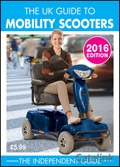
The 2016 Consumer's Guide to Mobility Scooters from Hearing & Mobility is a comprehensive free resource designed to help anyone considering purchasing a mobility scooter for themselves or a loved one. Whether you are entirely new to mobility scooters or simply want to make a more confident buying decision, this guide covers all the essential ground in one handy reference.
The guide provides a detailed breakdown of almost every aspect of mobility scooters, from understanding the fundamental differences between Class 2 and Class 3 models to practical topics such as features, battery life, seating, accessories, maintenance, and safe driving. It also includes a quick six-question checklist to help you clarify your needs before you start shopping, saving time and helping you avoid paying for a scooter that does not suit your lifestyle.
A dedicated section walks through each scooter category: Class 2 portable boot scooters and pavement scooters, Class 3 road-legal scooters, ultralight specialist scooters, and all-terrain models. Understanding these categories is important because they carry different speed limits, legal requirements, and practical capabilities, and choosing the wrong class can be a costly mistake.
Beyond the basic categories, the guide explains tiller and wheel configurations, seating options, and battery considerations so you understand exactly what you are comparing when looking at different models. It also covers how to get the best out of your scooter once purchased, along with guidance on working with your local dealer and arranging ongoing servicing.
Class 2 scooters are limited to 4 mph and are intended for pavement use only, including portable boot models and standard pavement scooters. Class 3 scooters can travel up to 8 mph, are road-legal, and may be used on public roads as well as pavements. The guide explains both categories in detail, helping you decide which is appropriate for your needs.
Yes. The guide is specifically aimed at people who have never purchased a mobility scooter before. It includes a plain-language introduction to what a mobility scooter is, a pre-purchase checklist, and chapters covering every major decision point from scooter type to accessories and maintenance.
Yes. As well as the standard Class 2 and Class 3 categories, the guide includes dedicated sections on ultralight scooters and all-terrain models, which are designed for users with particular lifestyle or environment requirements.
The guide covers general maintenance and servicing guidance, including battery care and how to keep your scooter in good working order. It also explains how to drive safely and how to make the most of accessories available for your model.
The guide includes a dedicated chapter on mobility scooter brands available in the UK market at the time of publication (2016). This section is intended to help you compare manufacturers as part of your research before visiting a dealer.
When this brochure was available, Hearing & Mobility offered it as a free printed catalogue that could be requested directly through their website. As this listing is now archived, the printed guide is no longer available to order in this way.
Note: this brochure is from our archive and may no longer be current. We have preserved the listing for reference, but details such as pricing, availability, and contact information may have changed since publication.

This catalogue is no longer available
The Hearing & Mobility - Guide to Mobility Scooters Catalogue catalogue has been archived — details above are kept for reference. Browse similar live offers available free today.
Browse Live Catalogues →Similar to Hearing & Mobility - Guide to Mobility Scooters Catalogue and available now — order any of them free.